
Training & Curriculum
Competency-Based Goals and Objectives for Rotations
- Adolescent Medicine
- Allergy Immunology
- Behavior Development
- Cardiology
- Child and Adolescent Psychiatry
- Community Medicine
- Dermatology
- Emergency Medicine
- Endocrinology
- ENT
- Gastroenterology
- Hematology Oncology
- Infectious Disease
- Inpatient – Day/Night Float
- Inpatient
- Nephrology
- Neurology
- Newborn Nursery
- NICU
- Ophthalmology
- Outpatient, Continuity Clinic, and Office-Based Rotations
- PICU
- Radiology
- Sports Medicine
- Surgery
- Urgent Care
Although this represents the 2016 version of the curriculum, we have opted to use it for our program rather than updated versions due to changes in 2017 that made the curriculum much more generalized.
Didactic Curriculum – 2-Year Series
ABP Content Outline Area
| November | Musculoskeletal Disorders/Sports Medicine |
| December | Neurologic Disorders 1 |
| January | Preventive Pediatrics/Poisoning/Environmental Expos. |
| Febuary | Emergency Care |
| March | Critical Care |
| April | Fetus and Newborn Infant |
| May | Collagen Vascular/Renal/Disorders of Eye/Miscellany |
| June | Neurologic Disorders 2 |
| July | Fluid and Electrolyte Metabolism |
| August | Nutrition and Nutritional Disorders |
| September | Ear, Nose and Throat Disorders |
| October | Respiratory Disorders |
| November | Allergic and Immunologic Disorders |
| December | Patient Safety and Quality Improvement |
| January | Skin Disorders |
| February | Growth and Development |
| March | Infectious Diseases |
| April | Metabolic Disorders |
| May | Behavioral/Mental Health/Psychosocial/Abuse |
| June | Pharmacology and Pain Management |
| July | Adolescent Medicine/Gynecology/Substance Abuse |
| August | Endocrine Disorders |
| September | Blood and Neoplastic Disorders |
| October | Cardiovascular Disorders |
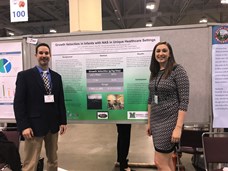
One of our program aims is to serve the needs of our infants with neonatal abstinence syndrome (NAS), through both direct patient care and by teaching about the comprehensive needs of this unique population. Our faculty and residents are known at a national level for their work and research on this area.
One of our program aims is serving the needs of underserved individuals in the central Appalachian region through both direct patient care and by fostering an understanding of rural populations and the unique challenges of providing health care in small communities.
As detailed in the article, “Adequately Preparing Physicians for Rural Health Practice,” our residency program recently focused on the topic of rural health practice by surveying residency graduates practicing in rural areas. Likewise, these graduates share their experiences with current residents through grand rounds and discussion sessions focused on how to best prepare for a rural general pediatric practice.
Residents and faculty continue to use the guidance provided by study findings to present at conferences and research events.

Marshall Pediatrics physician, Dr. Marie Frazier serves as the medical director of the Children’s Advocacy Center (CAC) at Hoops Family Children’s Hospital. The CAC has provided care to hundreds of children and adolescents in our community since opening in 2017. A curriculum has been developed for the pediatric residents and hospital medicine fellows to further educate them in how to examine and care for children that have experienced sexual abuse, testify in court to aid in conviction of their perpetrators, as well as in the unique psychosocial characteristics that must be considered in caring for these children. The CAC was able to meet the criteria for national accreditation by the National Children’s Alliance and was awarded accreditation in 2020.
Angie Seay is the CAC Coordinator. She is responsible for scheduling appointments, coordinating interviews and follow-up with law enforcement, Child Protective Services (CPS) and outside agencies involved with the children we see. She is also our forensic interviewer (1 of 2) and has completed over 500 of the forensic interviews for the CAC. She also has extensive experience with the CPS system as she is a licensed social worker and worked at CPS for 17 years. She is considered the “backbone” of the CAC and an invaluable team member.
Marie Frazier, MD
Director of CAC
Our inpatient pediatric service led by our Pediatric Hospital Medicine team provides evidence based care during Family Centered Rounds in a team based educational setting.
)
)
)